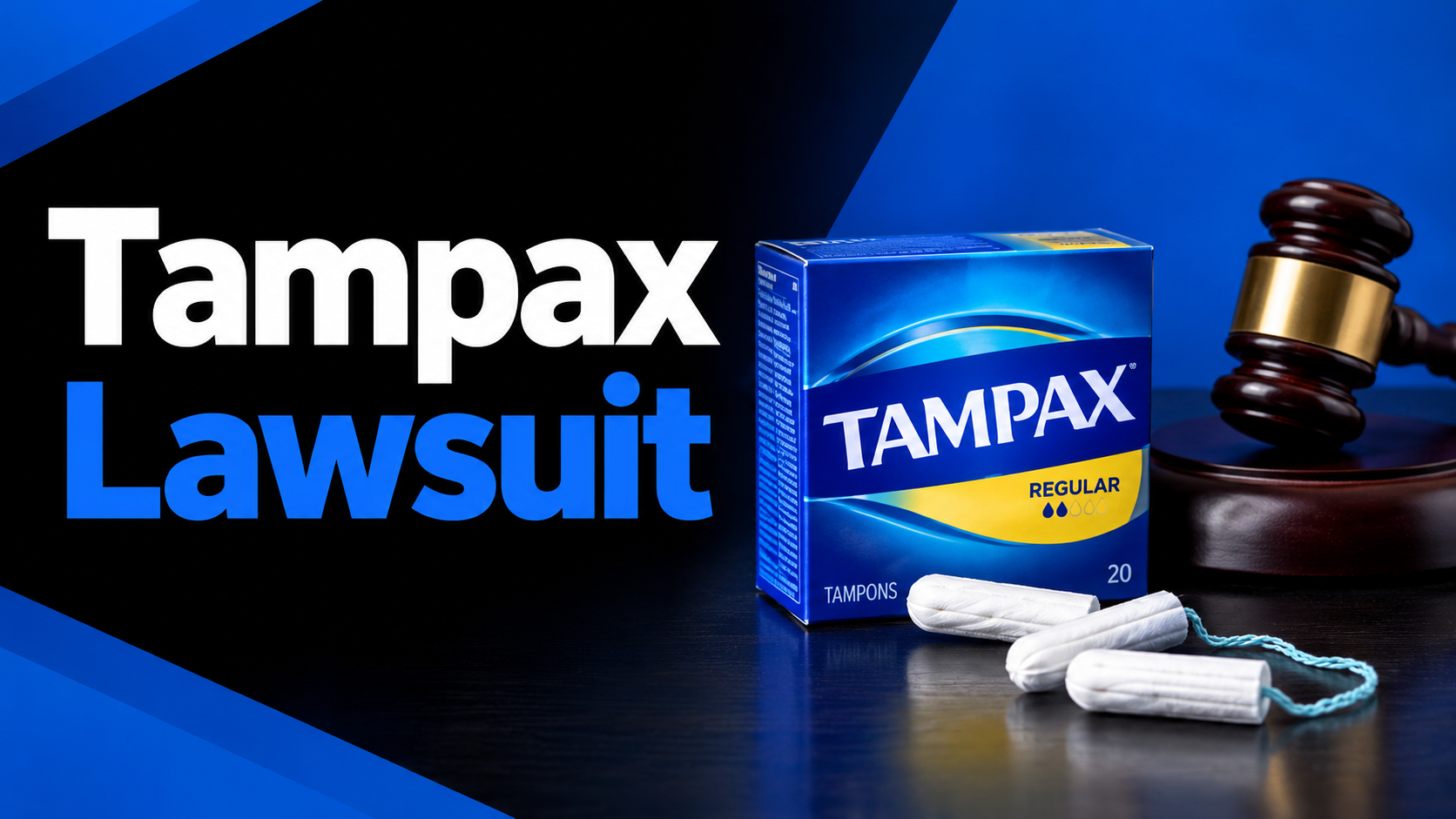
Millions of people rely on Tampax tampons every month for comfort and protection. So when news broke about independent testing detecting lead and other heavy metals in menstrual products, questions followed quickly. What does it mean for safety? Is there a lawsuit? Who might be affected?
This guide covers the current Tampax lawsuit landscape as of late 2026. It focuses on the core allegations involving Tampax Pearl and Radiant products, the role of California Proposition 65, independent laboratory findings, and practical steps for consumers following the litigation. The goal is clear information without hype, so you can understand the claims, the science, and the legal process.
What the Tampax Lawsuit Is About
The primary case is Barton v. The Procter & Gamble Company, filed in the U.S. District Court for the Southern District of California in July 2024 (Case No. 3:24-cv-01332). Plaintiffs allege that certain Tampax Pearl and Tampax Radiant tampons contain measurable levels of lead and that packaging statements could lead reasonable consumers to believe the products were free of potentially concerning substances.
The claims center on product labeling deception and consumer protection laws, not personal injury. Plaintiffs say they would not have bought the products, or would have paid less, if they had known about the alleged lead content. They seek economic damages (such as refunds or price premiums) and potential label changes.
On September 29, 2026, U.S. District Judge Gonzalo P. Curiel certified a class of California consumers. This allows the case to proceed on behalf of a defined group rather than only the named plaintiffs. The class covers California citizens who purchased any size of Tampax Pearl or Tampax Radiant in California from July 29, 2020, through the date class notice is sent. Personal injury claims are excluded.
No settlement has been reached. A mandatory settlement conference is scheduled for December 10, 2026. There is no claims form, no payout fund, and no deadline for consumers to file claims at this time. Other related cases have been filed in Ohio and Illinois federal courts, but the California case is the furthest along and the only one with a certified class so far.
Procter & Gamble has denied the allegations of wrongdoing. The company maintains its products meet applicable safety standards. Courts have not ruled that the products are unsafe or that P&G violated the law. Class certification is a procedural step, not a finding on the merits.
The Science Behind the Heavy Metals Claims
Concerns about heavy metals in tampons largely stem from a 2024 peer-reviewed study published in Environment International. Researchers from UC Berkeley and other institutions tested 30 tampons from 14 brands for 16 metals and metalloids. They found measurable concentrations of all 16, including lead (geometric mean around 120 ng/g), cadmium, and arsenic. Lead appeared in every sample tested. Levels varied by factors such as organic versus non-organic materials and region of purchase.
The study measured presence in the products. It did not test how much, if any, metal leaches out during use or is absorbed into the body. Researchers noted the vagina’s permeability and the lack of first-pass liver filtration as reasons for further study.
Plaintiffs in the Tampax cases commissioned additional independent laboratory testing using methods such as ICP-MS. Results cited in complaints for Tampax Pearl products include figures around 0.181 micrograms of lead per gram. With typical use of multiple tampons per day (based on package guidance of up to eight hours per tampon), plaintiffs calculate potential daily exposure that could exceed California’s Proposition 65 limits.
California Proposition 65 requires warnings for exposures to listed chemicals above certain levels. For lead, the Maximum Allowable Dose Level (MADL) for reproductive toxicity is 0.5 micrograms per day. This is a conservative safe-harbor threshold. Staying below it generally means no warning is required. A separate No Significant Risk Level for cancer risk is higher (15 micrograms per day oral).
Lead is a known reproductive toxicant and neurotoxin with no established safe threshold for some effects, according to public health authorities. However, presence in a product does not automatically equal harmful exposure. Dose, bioavailability, and absorption matter.
The U.S. Food and Drug Administration has addressed these findings. In a 2026 peer-reviewed study published in Toxicological Sciences, FDA laboratories tested metals in marketed tampon products and conducted a toxicological risk assessment. Trace metals, including lead, were detected. The agency concluded the amounts released during simulated use were too small to cause harm and posed negligible toxicological concern. This aligned with an earlier FDA-commissioned literature review. The FDA continues to view FDA-cleared tampons as a safe option and has issued draft guidance on performance testing and labeling for menstrual products.
In short, independent and regulatory testing confirm trace metals can appear in tampons, consistent with environmental presence in cotton and other materials. The debate centers on whether those levels, under real-world use, create meaningful health risks or trigger disclosure obligations under consumer protection and Prop 65 rules. No court has resolved that question in the Tampax cases.
Who May Qualify for the Certified Class
Eligibility is limited to the certified California class:
- California citizens
- Who purchased Tampax Pearl or Tampax Radiant (any size or configuration) in California
- Between July 29, 2020, and the date official class notice is issued
- Who are not pursuing personal injury claims
If you live outside California or bought different Tampax products, you are not part of this certified class. Other pending cases may propose broader or multi-state classes, but none have been certified for a consumer payout as of the latest updates.
Purchasers do not need to take action right now. Class members are automatically included unless they opt out after receiving formal notice. There is no requirement to submit receipts or file a claim form at this stage. Keep records of purchases if you have them, as they could become relevant later if a settlement or judgment occurs.
Beware of websites or emails soliciting “claim forms” or promising immediate payouts. No settlement exists. Official updates will come through the court or court-appointed notice administrators.
Understanding Vaginal Absorption and Health Risk Claims
Plaintiffs emphasize that the vaginal mucosa is highly vascularized and more permeable than skin in some respects. Substances absorbed there can enter the bloodstream without first-pass metabolism by the liver. They argue this makes even low levels of lead more concerning than similar amounts in food or water.
Public health sources confirm lead’s toxicity, especially for development, reproduction, and neurological function. The EPA and other agencies state there is no known safe blood lead level. At the same time, everyday exposures from air, soil, water, and food also contribute to body burden.
The key uncertainty remains bioavailability from tampons. The 2024 academic study and later FDA work highlight this gap. Until more data on release and absorption exist, claims of specific health harm from these products remain allegations rather than established findings. Individuals with health concerns should discuss them with a healthcare provider rather than relying solely on litigation materials.
Practical Steps for Tracking the Litigation
- Monitor the official docket for Barton v. The Procter & Gamble Company, No. 3:24-cv-01332, in the Southern District of California. Public access is available through PACER or free sites that aggregate federal dockets.
- Watch for class notice. Once the court approves a notice plan, eligible class members will receive information by mail, email, or publication about rights, opt-out procedures, and any proposed settlement.
- Check reputable sources for updates. Court orders, not marketing sites, control the status. Avoid paying fees or providing personal data to third-party “claim services” that are not court-authorized.
- Consider consulting a consumer protection attorney if you believe you have individual claims outside the class (for example, personal injury) or if you live in another state with pending related litigation. Most class counsel work on contingency, but individual representation is different.
- Stay informed about regulatory developments. The FDA’s ongoing work on menstrual product testing and labeling may influence future standards for feminine hygiene product safety.
What Consumers Can Do Right Now
If you are concerned about product ingredients, review current packaging and manufacturer statements. P&G and other companies have published information about environmental metals in raw materials. Some brands offer organic cotton options; independent testing has shown variation but not consistent superiority across all metals.
For broader heavy metal exposure risks, focus on well-established sources: lead paint in older housing, contaminated water, occupational exposure, and certain imported goods. Blood lead testing is available through healthcare providers when medically indicated.
Support for greater transparency in menstrual products has grown. Draft FDA guidance and legislative interest reflect that conversation. Consumer choices and clear labeling help drive accountability without requiring alarm.
Key Takeaways on the Tampax Lawsuit
The Tampax lawsuit reflects legitimate consumer interest in what goes into products used internally. Independent testing detected lead and other metals. Plaintiffs allege that packaging created a misleading impression and that daily use could exceed Prop 65 thresholds. A federal judge certified a California class for economic claims in September 2026. No settlement or finding of liability exists. The FDA has stated that released metal levels from tested products fall within margins of safety.
Stay patient. Class actions move slowly. Official notice will reach eligible purchasers if and when the process advances. In the meantime, reliable information from court records, the FDA, and peer-reviewed science remains the best guide.
If you have questions about your specific situation, consult a qualified attorney familiar with consumer class actions or product labeling claims. This article provides general information only and is not legal advice.
Frequently Asked Questions
Is there a Tampax lawsuit settlement in 2026?
No. The California class was certified in September 2026, but no settlement has been reached or approved. A settlement conference is scheduled for December 2026. There is no claims process open.
Do I qualify for the Tampax lawsuit?
You may be part of the certified class if you are a California citizen who bought Tampax Pearl or Radiant in California between July 29, 2020, and the future class notice date, and you are not seeking personal injury damages. Eligibility is automatic for class members.
How much lead is in Tampax tampons?
Plaintiff testing cited in the litigation reported levels around 0.181 micrograms per gram in some Tampax Pearl samples. The 2024 academic study found lead across multiple brands at varying concentrations. Absolute amounts per tampon are low; the debate involves cumulative daily exposure and absorption.
Are Tampax tampons unsafe because of heavy metals?
The FDA’s 2026 assessment concluded that the amounts of metals released during use pose negligible toxicological concern. Courts have not ruled on safety. Presence of trace metals does not equal proven harm at the levels reported.
What is California Proposition 65’s limit for lead?
The Maximum Allowable Dose Level for reproductive toxicity is 0.5 micrograms of lead per day. Products that cause exposures above this level generally require a warning unless a safe-harbor exemption applies.
Can I still buy and use Tampax products?
Yes. The products remain on the market and FDA-cleared. Individual decisions about product choice are personal. Review current labeling and manufacturer information if you have concerns.
How can I follow updates on the Procter and Gamble class action?
Check the federal court docket for Case No. 3:24-cv-01332 in the Southern District of California. Reputable legal news sources that cite court filings are also useful. Ignore unsolicited claim offers.
You May Also Like: Immigrant CDL Lawsuit: Non-Domiciled Licenses at Risk