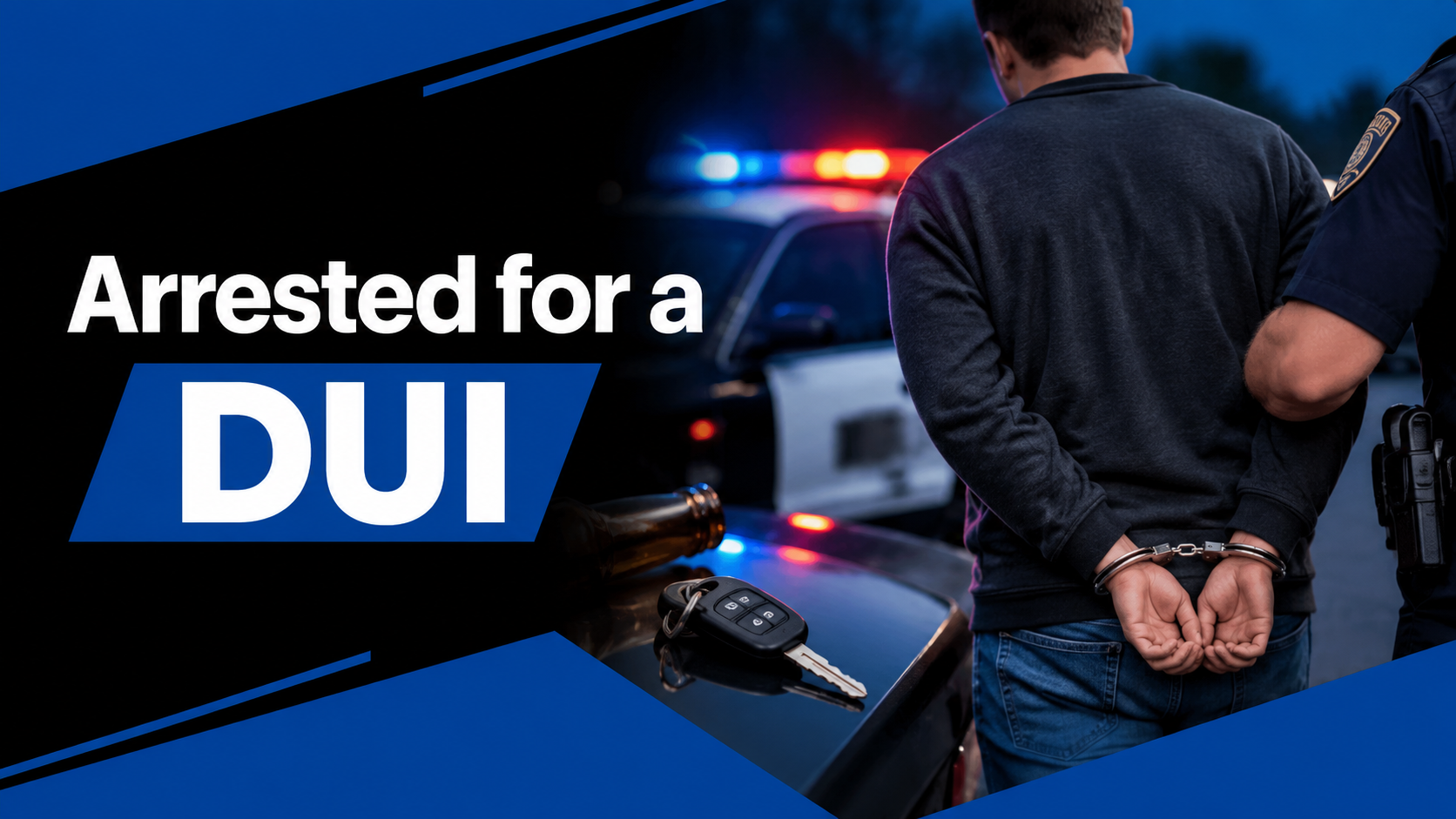
Every day, roughly 32 people in the United States die in alcohol-impaired driving crashes. That is one person every 44 minutes, according to the National Highway Traffic Safety Administration. If you or someone you love was recently arrested for a DUI, those numbers may feel distant compared to the immediate chaos you face right now. Handcuffs, a temporary license notice, confusing paperwork, and looming deadlines can overwhelm anyone.
This guide walks you through what happens after you get arrested for a DUI. You will learn your core rights, the difference between an arrest and a conviction, critical timelines for protecting your license, possible penalties, and practical defense options. The goal is simple: give you clear, actionable steps so you can safeguard your driving privileges and legal position while the process unfolds. Laws vary by state, so treat this as general guidance and consult a local criminal defense lawyer promptly.
What Happens Immediately After Being Arrested for a DUI
The moments after an arrest feel disorienting. Officers typically take you into custody, transport you to a station or jail, and process you. Processing often includes fingerprinting, photographing, and paperwork.
In most states, the officer will seize your physical driver’s license and hand you a temporary permit or notice of suspension. This document usually serves two purposes. It acts as your temporary driving privilege for a limited period (often 7 to 30 days, depending on the state). It also notifies you that the licensing agency plans an administrative license suspension.
You will face two separate tracks almost immediately. One is the administrative process handled by the Department of Licensing or DMV. The other is the criminal case in court. These tracks run independently. Winning one does not automatically resolve the other.
During booking, stay calm and polite. Do not argue about the stop or offer explanations. Anything you say can appear in the police report. Exercise your right to remain silent beyond providing basic identifying information. Request to speak with a lawyer as soon as possible.
Release usually happens after booking, often the same day or the next morning, unless additional factors such as a high blood alcohol concentration, an accident, or prior offenses keep you longer. Once released, the clock on critical deadlines starts ticking.
Understanding Your Rights During and After Arrest
You retain important constitutional protections even after a DUI stop. Knowing them helps you avoid common pitfalls.
Field Sobriety Tests and Probable Cause
Officers often request field sobriety tests after developing reasonable suspicion of impairment. Common standardized tests include the horizontal gaze nystagmus, walk-and-turn, and one-leg stand. These help build probable cause for an arrest.
You generally can decline field sobriety tests in most states without facing the same automatic penalties that apply to chemical tests. Refusal may still influence the officer’s decision, and the officer can rely on other observations such as driving pattern, odor of alcohol, speech, and appearance. Poor performance on these tests frequently appears in the police report and can support probable cause.
Conditions matter. Uneven pavement, poor lighting, medical issues, age, weight, or footwear can affect results. A skilled defense attorney later reviews whether the officer administered the tests according to National Highway Traffic Safety Administration standards.
Chemical Tests, Breathalyzer, and Implied Consent Law
Once arrested, the implied consent law applies in every state. By driving on public roads, you have already agreed to submit to chemical testing (breath, blood, or urine) if lawfully arrested for DUI. The officer usually requests an evidentiary breathalyzer test or blood test at the station.
Refusing the post-arrest chemical test triggers separate administrative penalties. A first refusal commonly leads to a longer license suspension than a failed test, often six months to one year or more. Some states allow the refusal itself to be used as evidence of consciousness of guilt in the criminal case. In certain jurisdictions, officers may still obtain a warrant for a blood draw.
Preliminary roadside breath tests sometimes fall outside strict implied consent rules. Rules vary, so local advice matters. The legal limit for blood alcohol concentration is typically 0.08 percent for drivers 21 and older in most states (0.05 in Utah). Commercial drivers and those under 21 face lower thresholds.
You have the right to remain silent and the right to counsel. Ask for a lawyer before answering questions beyond basic identification. Do not consent to searches of your vehicle beyond what the law already permits.
The Critical Difference Between DUI Arrest and DUI Conviction
An arrest is not a conviction. Being arrested for a DUI means officers had probable cause to believe you drove under the influence. It does not mean a court has found you guilty.
The criminal case proceeds through arraignment, possible negotiations, motions, and potentially trial. The prosecution must prove guilt beyond a reasonable doubt. Possible outcomes include dismissal, reduction to a lesser charge, deferred disposition, or conviction.
Meanwhile, the administrative process can suspend your license based on a lower standard of proof, often a preponderance of the evidence. You can lose driving privileges even if the criminal case is later dismissed or results in an acquittal. That is why the administrative track demands immediate attention.
Understanding this separation prevents a common and costly mistake: focusing only on the criminal court while missing the short window to challenge the license action.
Administrative License Suspension and the Department of Licensing Hearing
Most states impose an administrative license suspension after a DUI arrest if the chemical test shows a prohibited blood alcohol concentration or if you refuse the test. The notice the officer gives you explains the planned suspension and the deadline to request a hearing.
Timeline for Requesting a DUI License Suspension Hearing
Deadlines are short and strict. Many states require you to request a Department of Licensing hearing (or DMV equivalent) within 7 to 15 days of the arrest or notice. Some allow up to 30 days. California, for example, commonly uses a 10-day window. Colorado and some others use 7 days. Florida often uses 10 days. Missing the deadline usually means the suspension takes effect automatically with no opportunity to contest it administratively.
Mark the deadline the moment you receive the paperwork. Request the hearing in writing or through the method your state specifies, and keep proof of submission. In many states, a timely request stays the suspension so you can continue driving on the temporary permit while the hearing is pending.
What Happens at the Hearing
The administrative hearing is not a criminal trial. A hearing officer, not a judge, typically presides. The licensing agency must show that the officer had reasonable grounds to believe you were impaired, that you were lawfully arrested, and that you either failed the chemical test or refused it after proper advisement.
You or your attorney can present evidence, cross-examine the officer (if present), and argue procedural errors. Common challenges include lack of probable cause for the stop or arrest, improper administration of tests, faulty equipment, or incomplete implied consent warnings.
Outcomes vary. The hearing officer may uphold the suspension, shorten it, or set it aside. Suspension lengths for a first offense often range from 90 days to several months for a failed test, and longer for a refusal. Eligibility for a restricted or conditional driving privilege or an ignition interlock device depends on state rules and your record.
Even if the hearing does not go your way, the process creates a record that can sometimes help the criminal defense.
Criminal Penalties After a DUI Arrest
Penalties depend heavily on your state, blood alcohol concentration, prior offenses, whether an accident occurred, and whether minors were present. For a first-time misdemeanor DUI with no aggravating factors, common consequences include:
- Fines and court costs that can reach several thousand dollars
- Probation, often 1 to 5 years
- Mandatory alcohol education or treatment programs
- Possible short jail time or community service
- License suspension or restriction through the court (separate from the administrative action)
- Installation of an ignition interlock device in many states
- Increased insurance rates
Aggravating factors raise the stakes. Higher blood alcohol concentration, prior convictions within a look-back period, accidents causing injury, or commercial vehicle involvement can turn a misdemeanor into a felony with longer jail or prison exposure, longer license revocation, and higher fines.
These penalties apply only after conviction or a plea. Until then, you remain presumed innocent.
Defense Options and Strategies
A strong defense begins early. Contact a criminal defense lawyer experienced in DUI cases as soon as possible. An attorney can handle the administrative hearing request, review discovery, and evaluate the evidence.
Possible defense avenues include:
- Challenging the legality of the traffic stop or the existence of probable cause for arrest
- Questioning the administration and accuracy of field sobriety tests
- Examining breathalyzer calibration, maintenance records, and officer training
- Raising issues with blood test chain of custody or laboratory procedures
- Identifying medical conditions or other factors that mimic impairment
- Negotiating for reduced charges, diversion programs, or alternative sentencing when appropriate
Every case turns on its specific facts. Video from body cameras or dash cameras, witness statements, and the police report all matter. Early investigation preserves evidence that might otherwise disappear.
Immediate Steps After Being Arrested for a DUI
Act quickly and methodically.
- Read every document the officer gave you. Note all deadlines.
- Request the administrative hearing before the deadline expires. Do this even if you plan to hire a lawyer later.
- Write down everything you remember about the stop, tests, and conversations while details are fresh. Do not share this with anyone except your attorney.
- Contact a qualified criminal defense lawyer who handles DUI cases in your jurisdiction.
- Avoid discussing the case on social media or with friends and family beyond necessary logistics.
- Comply with all temporary license conditions. Driving on a suspended license creates new charges.
- Attend every court date. Missing one can lead to a warrant.
These steps protect both your license and your criminal case.
Ignition Interlock Devices and Conditional Driving Privileges
Many states offer ways to regain limited driving ability during a suspension. An ignition interlock device requires a breath sample before the vehicle starts and at intervals while driving. Courts or licensing agencies often order it after a conviction or as a condition of a restricted license.
A conditional driving privilege or hardship license may allow driving to work, school, medical appointments, or other essential purposes. Eligibility rules differ by state and by whether the suspension stems from a test failure or a refusal. Installation and monitoring carry monthly costs. Completing required programs and paying all fees is usually necessary for full reinstatement.
Conclusion
Being arrested for a DUI creates stress and uncertainty, but knowledge and prompt action give you real power. Protect your license by meeting the short administrative hearing deadline. Exercise your rights during questioning and testing. Understand that an arrest is not the end of the story. A conviction is not automatic.
The most important step is contacting an experienced criminal defense lawyer who can evaluate your specific situation, handle the administrative process, and build a defense strategy. Early legal help often makes the difference between losing your license for months and preserving both your driving privileges and your record. Take that step today.
Frequently Asked Questions
What happens after you get arrested for a DUI?
You are booked, given a temporary license notice, and face both an administrative license process and a separate criminal case. Critical deadlines for the license hearing begin immediately.
Can you lose your driver license after being arrested for a DUI?
Yes. An administrative suspension can take effect even without a criminal conviction if you miss the hearing request deadline or lose the hearing.
How long do I have to request a Department of Licensing hearing?
It varies by state, commonly 7 to 15 days, sometimes up to 30. Check the notice you received and act before the deadline.
What are the consequences of refusing a breathalyzer test after a DUI arrest?
Under implied consent laws, refusal typically triggers a longer administrative license suspension than a failed test and may be used as evidence in the criminal case.
What is the difference between a DUI arrest and a DUI conviction?
An arrest requires only probable cause. A conviction requires proof beyond a reasonable doubt in court. The administrative process uses a lower standard and can suspend your license independently.
How can I fight a license suspension after a DUI arrest?
Request a timely administrative hearing and present evidence challenging the stop, arrest, or test procedures. A lawyer experienced in these hearings improves the odds.
Will I need an ignition interlock device?
Many states require or offer it for restricted driving privileges after a DUI-related suspension or conviction. Rules depend on your record and jurisdiction.
You May Also Like: How to Become a Paralegal: Step-by-Step Guide